Every recruitment team tracks time-to-hire. It's on every dashboard, every review. But there's a quieter number sitting upstream of it that rarely gets measured and it may be costing you your best candidates before you even know they exist.
It's called time-to-screen: the gap between a candidate applying and someone actually reviewing their resume.
Why This Metric Gets Missed
A role opens, 400 applications arrive, and a recruiter works through them one by one. By resume #250, the strongest candidate has likely accepted another offer not because they weren't qualified, but because availability has a shelf life.
Time-to-hire looks fine on paper. Time-to-screen is where the damage actually happens, quietly, resume by resume.
Three reasons it stays invisible:
- Most ATS tools don't log it; they capture "applied" and "hired," not when a resume was first opened.
- It feels like admin work, not a competitive window.
- Manual screening doesn't scale; recruiters can screen carefully or fast, rarely both past the first 100 applications.
What a Slow Time-to-Screen Cost
- Lost candidates to faster competitors
- Lower response rates the longer the silence after applying
- Recruiter burnout from repetitive manual sorting
- A skewed sense of a weak candidate pool when the process, not the talent, was the bottleneck
Fixing the Metric
The fix isn't more hours; it's compressing the screening window.
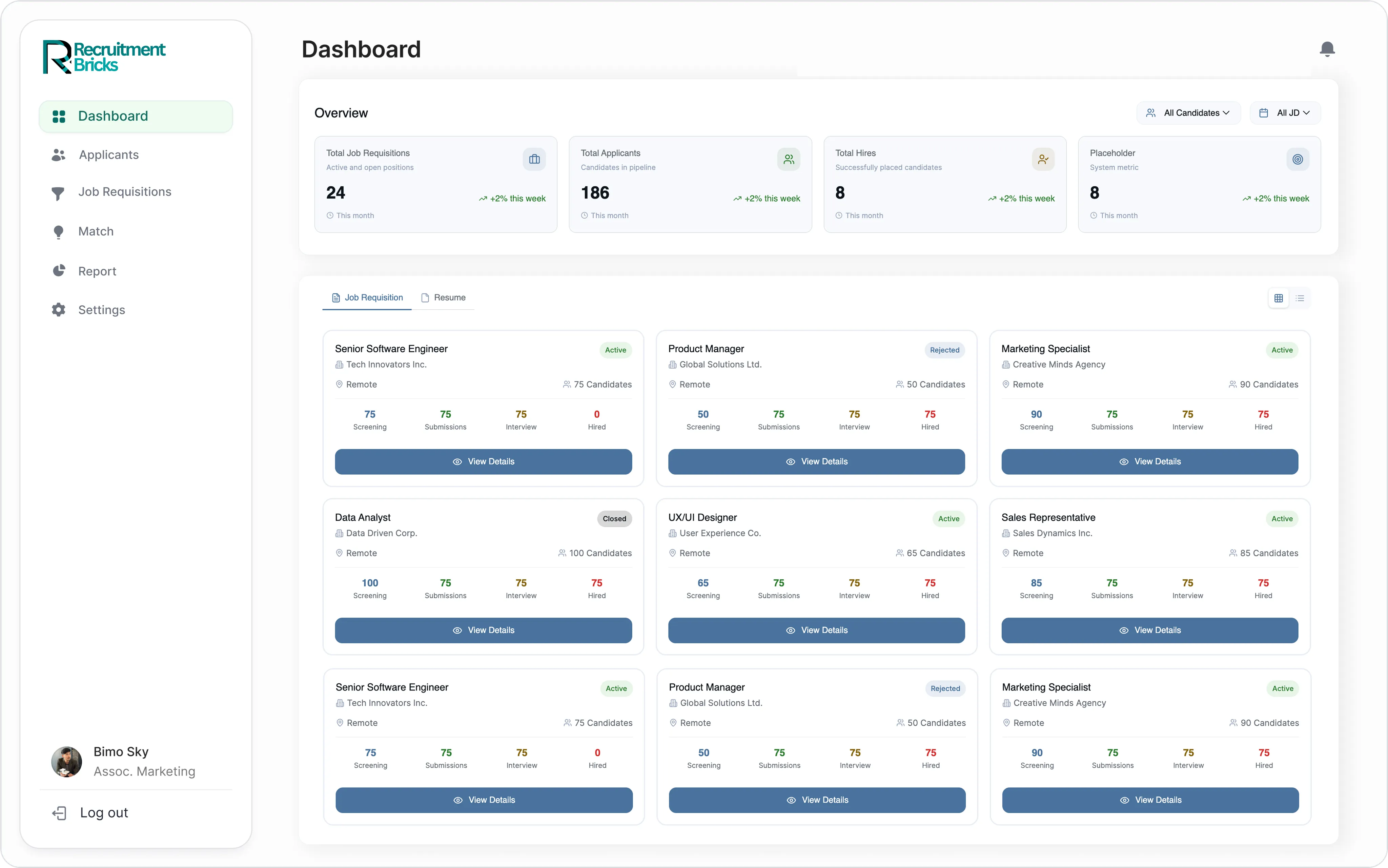
AI-powered pre-screening can parse and score resumes the moment they arrive. AI-powered recruitment tools can also help teams reduce application-processing and review time while monitoring the trade-offs of automated screening, trigger voice or WhatsApp outreach automatically, and surface a ranked shortlist continuously so recruiters spend time evaluating fit, not sorting a queue.


.png)